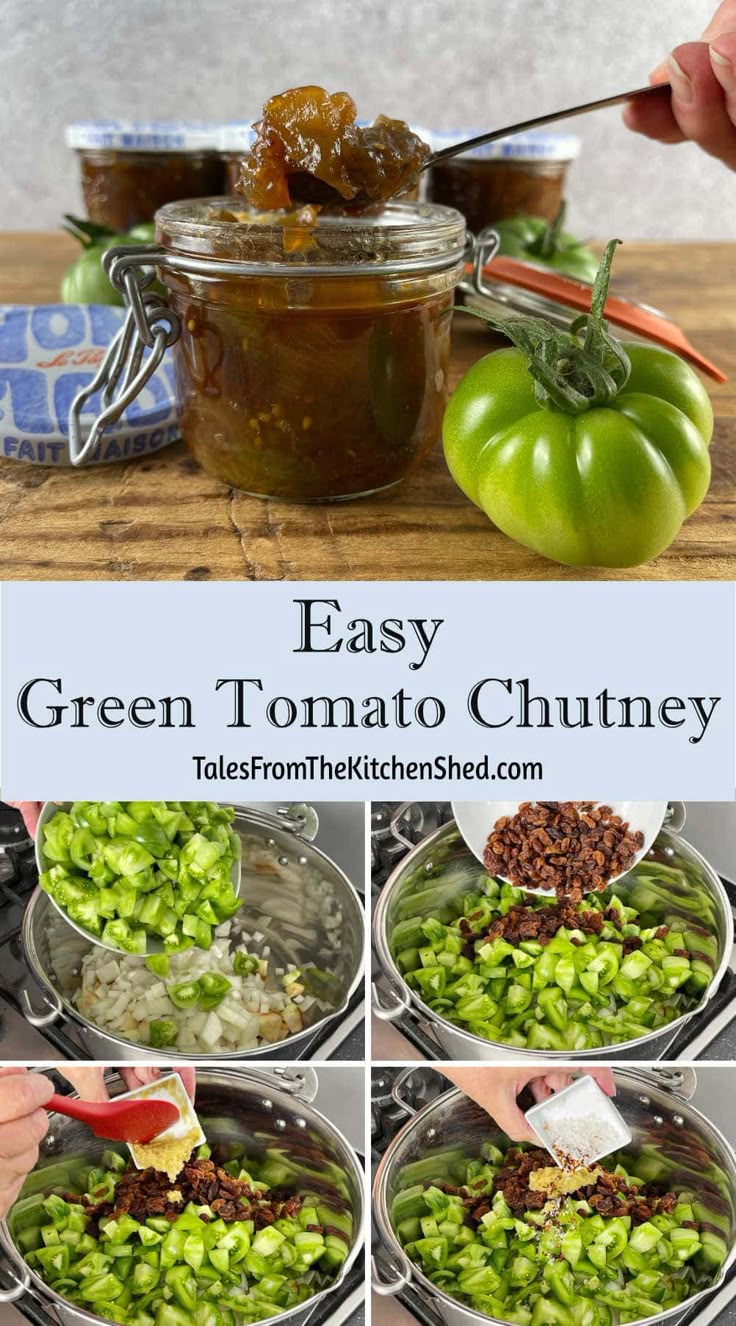
End-of-Season Triumph: Transforming Your Green Tomato Harvest into Delicious Relish
As the days shorten and a crisp chill hints at winter's arrival, many gardeners face the bittersweet task of clearing out their beloved tomato plants. While the last of the ripe, juicy red tomatoes are savored, what about the countless green ones still clinging to the vines? Too small for frying, too numerous to simply toss, these unripe gems often pose a dilemma. But fear not, for this seemingly humble harvest holds the secret to a culinary delight: homemade
green tomato relish. This versatile condiment is not just a clever way to prevent food waste; it's a vibrant burst of flavor that captures the essence of your garden, extending the season's bounty long after the first frost.
Why Green Tomato Relish is Your End-of-Season Hero
Making
green tomato relish is more than just a recipe; it's a tradition, a resourceful act that honors your garden's hard work. Unlike their ripe counterparts, green tomatoes possess a firm texture and a tartness that makes them ideal for pickling and preserving. When combined with a medley of aromatic vegetables, spices, and a balanced sweet-sour brine, they transform into a condiment bursting with complex flavors.
Each batch of homemade relish tells a unique story of your garden's particular harvest. Perhaps you have an abundance of vibrant sweet peppers – red, yellow, orange, even purple – that need a home. Or a surplus of pungent red onions that don't store as well as their yellow cousins. These are all perfect additions, making every jar of relish a personalized reflection of your end-of-season bounty. This flexibility means your relish can be subtly different each time, always delicious, always surprising. It's a fantastic way to minimize waste and ensure that no part of your precious harvest goes unused, turning potential compost into culinary gold.
Crafting Your Own Green Tomato Relish: A Step-by-Step Guide
Creating your own batch of delicious
green tomato relish is a rewarding process, offering a hands-on connection to your food. While the core ingredients remain consistent, there's ample room for customization to suit your palate.
Harvesting and Preparation: Setting the Stage
Begin by gathering your green tomatoes. Focus on those that are roughly golf-ball size or slightly larger – too small and they might be tedious to work with, too large and they might be harder to process evenly. Wash them thoroughly, remove any stems, and carefully trim away any bruised or blemished spots. A key advantage of green tomatoes is their inherent solidity; they hold up beautifully during processing and cooking, unlike ripe tomatoes which can quickly turn to mush. Set aside a variety of sweet peppers (bell peppers are excellent for color and mild sweetness) and some onions. If you're feeling adventurous and appreciate a little heat, a few jalapeños can add a delightful kick.
The Art of Chopping (or Shredding!): Efficiency Meets Flavor
When it comes to preparing the vegetables, you have two main approaches: the traditional hand-chopping method or the time-saving food processor. Hand-dicing offers unparalleled consistency in piece size, resulting in a more uniform relish texture. However, for a substantial harvest, this can be incredibly time-consuming.
Enter the food processor. Equipped with a grater blade, it can quickly shred large quantities of tomatoes, peppers, and onions into a manageable consistency. While it might produce a few larger chunks that need a quick hand-dice, it significantly cuts down on prep time, making it ideal for busy weekends. For detailed tips on maximizing efficiency with a food processor for large harvests, explore our guide:
Quick Green Tomato Relish: Food Processor Shortcut for Abundant Harvests. No matter your method, aim for pieces that are consistent enough to cook evenly and be easily spreadable in your finished relish.
The Perfect Mix: Beyond Just Tomatoes
The magic of this relish lies in its balanced blend of vegetables. A good starting ratio is roughly two-thirds green tomatoes to one-third a mix of other vegetables. For instance, if you have 4 pints of shredded tomatoes, aim for 2 pints of mixed peppers and onions.
*
Sweet Peppers: Use a colorful assortment (green, red, yellow, purple) for visual appeal and layered sweetness. Ensure they are cleaned and seeded before processing.
*
Onions: Red onions often have a sharper, sweeter flavor raw and a lovely color, while yellow onions offer a more classic robust onion taste. Using red onions first is a smart strategy as they tend not to store as long as yellow varieties.
*
Jalapeños: For a touch of heat, jalapeños are fantastic. Remember that most of the heat resides in the seeds and membranes. If you prefer a milder relish, remove them; for a spicier kick, shred them right along with the flesh. Just be mindful of the quantity – a little can go a long way, as one gardener once mused, "I may have overdone the jalapenos a bit."
Draining and Measuring: The Foundation of Good Relish
Once your vegetables are shredded or chopped, transfer the entire mix into a colander placed over a sink. Allow it to drain for at least an hour. This crucial step removes excess moisture, preventing your relish from becoming watery and ensuring a concentrated flavor. As the vegetables drain, they'll also compact slightly. After draining, use a measuring cup or jar (a pint jar works well as a rough measure) to gauge the total volume of your raw vegetable mix. This measurement will be essential for scaling your recipe's spices and liquids accurately.
The Flavor Profile: Spices, Sweeteners, and Acidity
With your drained vegetables ready, it's time to build the flavor. Transfer the mix to a large stock pot. The classic flavor base for
green tomato relish often includes:
*
Mustard Seed: Adds a pungent, slightly spicy warmth.
*
Celery Seed: Provides a distinct, earthy, and aromatic note.
*
Sweetener: Many traditional recipes call for sugar, but alternatives like Truvia (as noted in our reference) work perfectly for those managing sugar intake. Adjust the amount to your desired level of sweetness, complementing the natural tartness of the green tomatoes.
*
Vinegar: Apple cider vinegar or white vinegar are commonly used. Vinegar is not just for flavor; its acidity is vital for food safety in canning, especially for low-acid vegetables like tomatoes.
*
Salt: While often included in relish recipes for flavor enhancement and preservation, it's an optional ingredient if you're mindful of sodium intake. The relish will still be delicious without it.
Cooking and Canning: Preserving Your Culinary Treasure
Combine your vegetable mix with the chosen spices, sweetener, and vinegar in the stock pot. Bring the mixture to a gentle simmer over medium heat, stirring frequently to prevent sticking. Allow it to simmer for about 10-15 minutes, or until the vegetables are tender-crisp and the flavors have melded. This short cooking time ensures the relish remains vibrant and retains some texture.
While the relish simmers, prepare your canning equipment. Wash and sterilize pint jars and their lids. Once the relish is cooked, carefully ladle it into the hot, sterilized jars, leaving ½ inch of headspace at the top. Use a non-metallic utensil (like a chopstick or skewer) to gently remove any trapped air bubbles, tapping the jars firmly on the counter to settle the contents. Adjust headspace if necessary. Wipe jar rims clean, center lids, and apply screw bands finger-tight.
Process the jars in a boiling water canner. The processing time varies based on altitude: at sea level, 20 minutes is typically sufficient; for higher altitudes, extend the time to 30 minutes to ensure proper sealing and safety. For comprehensive details on canning techniques, including safe practices and ingredient adjustments, refer to our guide:
Homemade Green Tomato Relish: Sweet Peppers, Truvia, and Canning Tips. Once processed, carefully remove the jars and let them cool undisturbed for 12-24 hours. Check seals, then store your sealed jars in a cool, dark place for up to a year. Any unsealed jars or leftover relish can be refrigerated and enjoyed immediately.
Unleashing the Versatility of Your Homemade Relish
Once you’ve cracked open a jar of your homemade
green tomato relish, you'll discover its incredible versatility. It's truly a condiment that can elevate a wide array of dishes:
*
Classic Combinations: The most iconic pairing is, of course, with hot dogs. But it's equally fantastic on hamburgers, bratwursts, and other grilled meats.
*
Sandwich & Wrap Enhancer: Spread a dollop on your favorite sandwiches – from simple deli meat creations to gourmet grilled cheese – for an added layer of tangy, sweet, and savory flavor.
*
Breakfast Booster: Try it alongside scrambled eggs, quiches, or even on avocado toast for a zesty start to your day.
*
Appetizer Ace: Serve it on a cheese board with crackers and cured meats, or mix it into cream cheese for a delectable spread.
*
Marinades & Dressings: Whisk a spoonful into salad dressings or use it as a base for a tangy marinade for chicken or pork.
*
Savory Sides: Stir it into potato salad, coleslaw, or a simple grain bowl for an unexpected twist.
The bright, zesty character of
green tomato relish makes it a fantastic accompaniment to rich or heavy foods, cutting through fattiness and adding a refreshing counterpoint. It's a pantry staple that you'll find yourself reaching for again and again.
Conclusion
Don't let those end-of-season green tomatoes go to waste! Embrace the tradition of canning and transform them into a vibrant, flavorful
green tomato relish. This project is not only an excellent way to use up your harvest, but it also provides you with a delicious, versatile condiment that will brighten your meals throughout the colder months. From its simple preparation to its endless culinary applications, homemade green tomato relish is a testament to resourceful gardening and the enduring joy of preserving summer's bounty. So, roll up your sleeves, gather your green tomatoes, and savor the sweet-and-tangy rewards of your labor!